Get Irrigation System Winterization
Irrigation system winterization services help property owners prevent damage and ensure proper shutdown of sprinkler systems through professional draining, blowouts, and system protection.
Property owners in the area understand the importance of preparing irrigation systems for the colder months to prevent damage and ensure longevity. Proper winterization helps protect sprinkler lines, valves, and other components from freezing temperatures, reducing the risk of costly repairs come spring. Exploring options for professional winterization services can be a practical step toward maintaining a healthy, functional irrigation system year-round.
For those planning seasonal property care or looking to compare local service providers, there are several experienced contractors available to assist with irrigation system winterization. Evaluating different options can help property owners find reliable, knowledgeable professionals who can handle the task efficiently and effectively. Keep reading to learn more about how local experts can support your property's winter preparation needs.
- Irrigation System Winterization - homeowners and property managers may need this service to prevent damage during freezing temperatures.
- Sprinkler Blowout Services - property owners should consider this work before the onset of winter to clear lines of excess water.
- Backflow Prevention Winterization - necessary when preparing irrigation systems for winter to avoid backflow issues caused by freezing.
- Valve and Pipe Drainage - recommended for properties in cold climates to protect system components from winter-related damage.
- System Inspection and Maintenance - advisable prior to winter to identify and address potential vulnerabilities in irrigation setups.
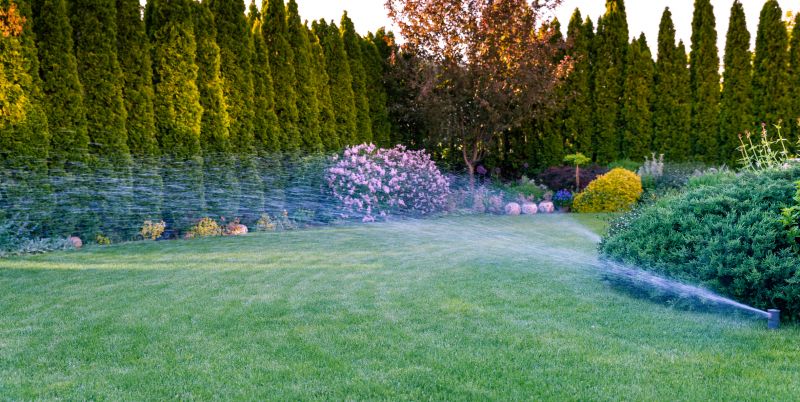
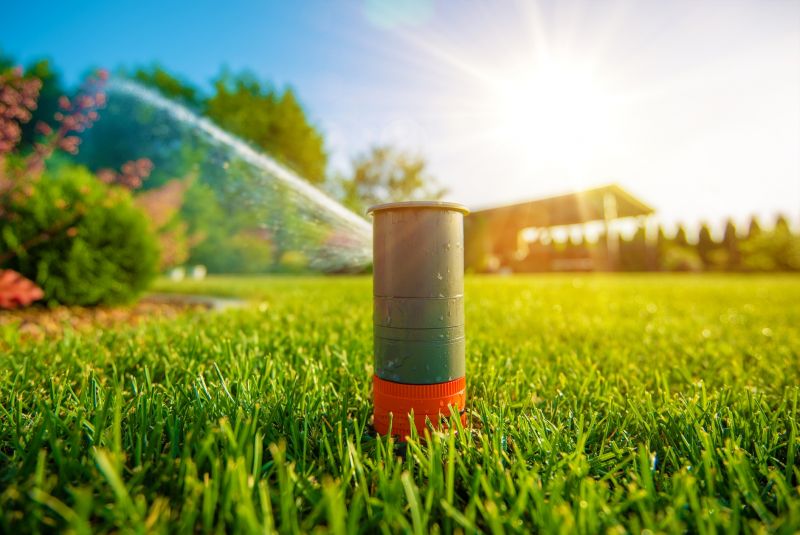
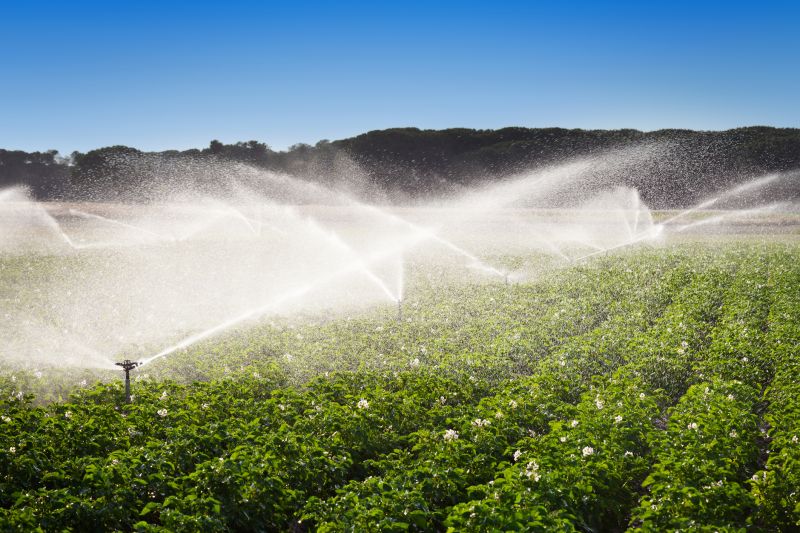
Irrigation system winterization services involve preparing sprinkler systems and other irrigation equipment for the colder months. This process typically includes draining or blowing out the system to remove residual water that could freeze and cause damage. Some service providers may also disconnect hoses, shut off valves, and protect outdoor components to ensure the entire system is secure against winter weather. Proper winterization helps prevent costly repairs caused by frozen pipes, burst fittings, or damaged sprinkler heads that can occur when water expands as it freezes.
One of the main problems winterization addresses is the risk of freeze damage to irrigation components. When water remains in pipes, valves, or sprinkler heads during freezing temperatures, it can expand and cause cracks or breaks. This damage often leads to leaks, system malfunctions, or the need for extensive repairs come spring. By removing water and protecting the system, winterization reduces the likelihood of these issues, helping property owners avoid costly repairs and ensuring the irrigation system remains functional when spring arrives.
Irrigation system winterization services are commonly used on residential properties, especially those with landscaped yards, gardens, or lawns that rely on automated watering systems. They are also frequently needed for commercial properties, parks, and golf courses that have extensive irrigation infrastructure. Homeowners with underground sprinkler systems or complex irrigation setups should consider winterization services to safeguard their investment and ensure the system is ready for use again in the warmer months.
Homeowners who notice their system’s pipes or valves are exposed to outdoor temperatures or have experienced issues with frozen pipes in the past are prime candidates for winterization. If an irrigation system is left unprepared for winter, the risk of damage increases significantly, leading to potential water leaks, system failures, and increased maintenance costs. Contacting local contractors for winterization services can help property owners protect their irrigation investments and ensure a smooth transition into the colder months.
The overview below groups typical Irrigation System Winterization projects into broad ranges so you can see how smaller, mid-sized, and larger jobs often compare in your area.
In many markets, a large share of routine jobs stays in the lower and middle ranges, while only a smaller percentage of projects moves into the highest bands when the work is more complex or site conditions are harder than average.
Smaller Repairs - Typical costs for routine winterization services range from $250 to $600 for many smaller jobs. Most projects in this range involve basic draining and blowout procedures for residential systems. Fewer projects fall into the highest tiers, which are reserved for more extensive work.
Partial System Winterization - Service providers often charge between $600 and $1,200 for partial winterization, which may include protecting key components or specific zones. Many local contractors handle these mid-range projects regularly, with larger or more complex jobs reaching higher prices.
Complete System Winterization - Full winterization of an entire irrigation system typically costs between $1,200 and $2,500. Larger or multi-zone systems can push costs into this range, though most routine projects stay within the middle tier.
Full System Replacement - Replacing an entire irrigation system for winterization purposes can cost $3,000 or more, especially for larger or custom setups. These projects are less common and generally fall into the higher end of the cost spectrum due to complexity and size.
Actual totals will depend on details like access to the work area, the scope of the project, and the materials selected, so use these as general starting points rather than exact figures.
Sprinkler System Maintenance - involves inspecting, testing, and preparing irrigation components, which shares skills with winterization to ensure system longevity and proper operation.
Backflow Prevention Services - requires planning and installation of devices to protect water quality, similar to the planning needed for winterizing irrigation systems.
Drainage System Installation - includes designing and installing drainage solutions that prevent water damage, paralleling the planning involved in protecting irrigation setups during winter.
Landscape Irrigation Design - involves creating efficient watering layouts, which is related to the seasonal adjustments made during irrigation system winterization.
Pipe and Hose Repair - entails repairing and replacing underground or above-ground piping, a task often performed alongside winterization to prevent freeze damage.
Water Feature Winterization - focuses on preparing fountains and other water features for cold weather, utilizing similar skills in draining and protecting water systems.
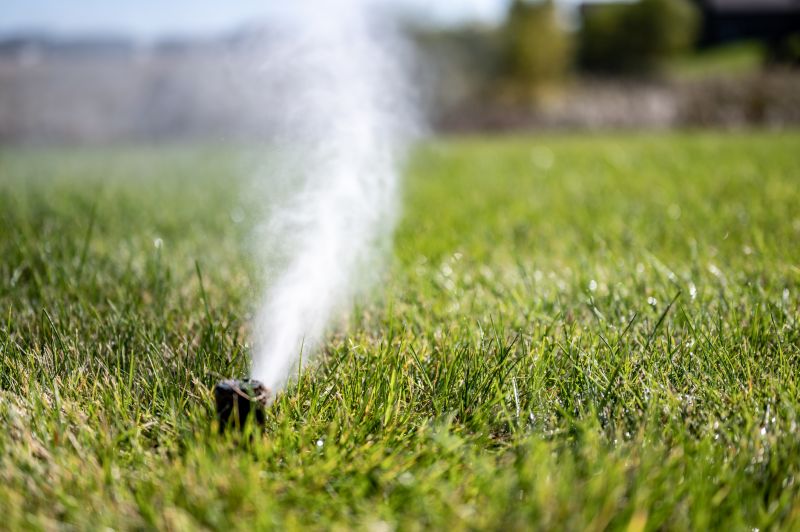
When comparing contractors for irrigation system winterization, it’s important to consider their experience with similar projects. Homeowners should inquire about how long a service provider has been performing winterization services and whether they have handled systems comparable in size and complexity to their own. A contractor with a proven track record in this area is more likely to understand the specific requirements involved, ensuring the job is done thoroughly and correctly. Checking references or reviews can provide insight into the quality of past work and help gauge the provider’s familiarity with local climate conditions and common system types.
Clear written expectations are essential when selecting a service provider for winterization. Homeowners should seek detailed descriptions of the services included, such as draining lines, blowouts, or system shutdown procedures. Having a written outline helps prevent misunderstandings and ensures that both parties are aligned on what the job entails. It’s also helpful to ask how the contractor communicates about the scope of work and any potential issues that might arise. Transparent communication fosters trust and makes it easier to evaluate whether a contractor’s approach matches the homeowner’s needs.
Reputable references and effective communication are key factors in choosing a reliable irrigation winterization service provider. Homeowners should request references from previous clients and follow up to learn about their experiences. A contractor’s responsiveness and clarity in answering questions can also reveal their professionalism and dedication to quality service. Good communication ensures that homeowners stay informed about the process and any potential concerns, making the overall experience smoother. Remember, this site serves as a resource to introduce homeowners to local contractors capable of handling winterization, rather than performing the work directly.
Property owners use Irrigation System Winterization services for practical projects around their homes and businesses. This guide focuses on everyday jobs and straightforward project options.
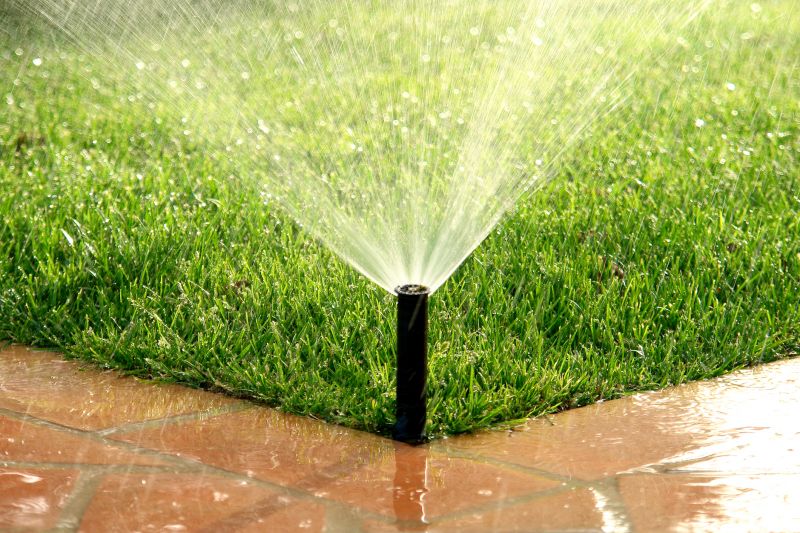
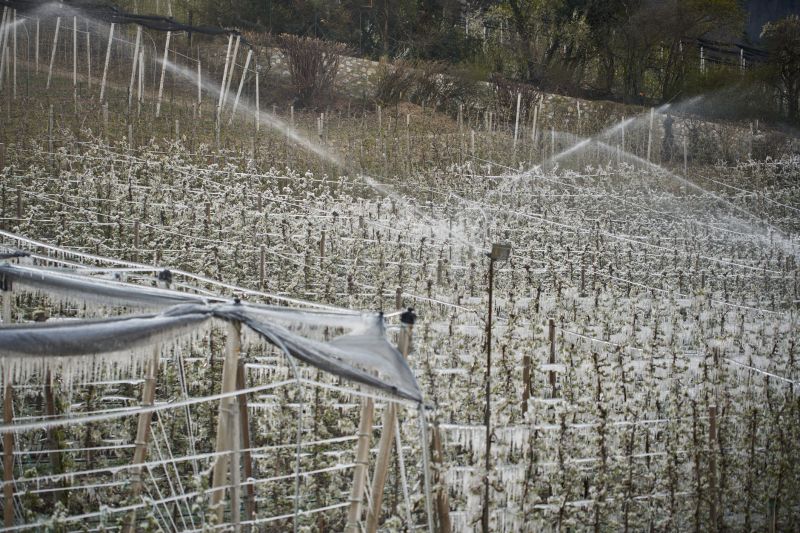
Property owners in the area often seek irrigation system winterization services to protect their sprinkler systems from damage caused by freezing temperatures. During colder months, water left in pipes can freeze and expand, leading to cracked pipes, broken valves, or other costly repairs come spring. Local contractors specialize in draining and insulating irrigation components to ensure systems remain intact throughout the winter, helping homeowners avoid unnecessary repairs and maintain a functional system for the upcoming season.
Many property owners also look for winterization services to prevent system malfunctions and reduce maintenance headaches in the spring. Proper winterization by experienced service providers can help ensure that underground pipes and sprinkler heads are protected from the harsh winter weather. This proactive approach allows homeowners to enjoy a hassle-free start to the growing season, knowing that their irrigation system has been properly prepared by local experts.
Why is winterizing an irrigation system important? Winterizing helps protect the irrigation components from freezing temperatures, which can cause damage and lead to costly repairs in the spring.
What services do local contractors offer for irrigation system winterization? They typically include draining and blowing out the system, insulating exposed components, and inspecting for potential issues before winter.
When should irrigation system winterization be scheduled? It is recommended to have the system winterized before the first hard freeze in your area to prevent freeze damage.
Can winterization help prevent system leaks or breaks? Yes, proper winterization reduces the risk of leaks, pipe breaks, and other damage caused by freezing water inside the system.
How do local service providers handle irrigation system winterization? They typically perform a thorough drain or blowout process, insulate vulnerable parts, and ensure the system is ready for winter conditions.
Prepare Irrigation Systems for Winter - Property owners can ensure their irrigation systems are properly winterized to prevent damage from freezing temperatures.
Prevent System Damage - Local contractors can help disconnect and drain sprinkler lines to avoid costly repairs during the cold months.
Protect Valves and Pipes - Proper winterization by service providers can safeguard valves and pipes from freezing and cracking.
Maintain System Efficiency - Winterization services can help preserve the functionality of irrigation components for the upcoming growing season.
If you are thinking about Irrigation System Winterization for a property, this guide is meant to help you understand the work, the typical project types, and how different options might fit your plans.
When you are ready, you can use the quote form on this page to share a few details about your project. From there, local pros can review the basics and respond with options that match what you have in mind.